LPCA Presents the
CPCS Initial Certification:
Virtual Training Summit
Become a Member to save $90!
Members not only enjoy discounted trainings, but you'll also experience a gateway to connection, support, and growth throughout your professional journey.
Two Tracks to Chose From
Earn 30 CEs by September 13th
September 11th - 13th
Our 30-hour virtual training summit covers the fundamentals of supervision. Included in this comprehensive series are all required topics and hours needed for your initial CPCS certification. This 3-day training summit is a quick way to earn CEs, with robust and interesting topics, presented by an experienced panel of counseling experts.
These CEs can be used towards CPCS, LPC and NCC (NBCC/ACEP #6762).
Earn 33 CEs
Towards 2028 Licensure
September 11th - 13th & October 2nd
This 33-hour virtual training summit, covers not only the fundamentals of supervision, but also includes a FREE Advanced Supervision role play course. This comprehensive series is a more in-depth and interactive way to meet CPCS requirements while also gaining CEs that can be applied towards your 2028 LPC licensure renewal.
These CEs can be used towards CPCS, LPC and NCC (NBCC/ACEP #6762).
| EDT | Friday, September 11th | Saturday, September 12th | Sunday, September 13th | Friday, October 2nd |
|---|---|---|---|---|
| 8:00 AM - 11:15 AM | Documenting Clinical Supervision: Ethical, Legal & Practical Methods for Supervising Therapy Interns - Part 1 | Foundations of Supervision: Understanding the Basics | Legal & Ethical Issues in Supervision: Between the Code and the Room - Part 2 | |
| 11:45 AM - 3:00 PM | Documenting Clinical Supervision: Ethical, Legal & Practical Methods for Supervising Therapy Interns - Part 2 | Foundations of Supervision: Strength Training | Applications & Principles of Supervision: The Bridge from Framework to Practice | Advanced Track: Clinical Supervision Role Play |
| 3:00 PM - 6:15 PM | Applications & Principles of Supervision: Self-Care for Clinicians | Legal & Ethical Issues in Supervision: Between the Code and the Room - Part 1 | Tele-supervision: The Who, What, When, Where, and Why - Part 3 (3:00PM - 5:00PM) | |
| 6:15 PM - 8:15 PM | Tele-supervision: The Who, What, When, Where, and Why - Part 1 | Tele-supervision: The Who, What, When, Where, and Why - Part 2 |
Foundations of Supervision:
Understanding the Basics
with Dr. Candice Norris-Brown
Will provide participants with a practical overview of the core principles and best practices that support effective clinical supervision and professional development.
We will examine the foundations of clinical supervision with an emphasis on moving supervisees from case reporting to clinical reasoning. Participants will explore the purposes and responsibilities of supervision, the supervisory working alliance, supervisee's developmental needs, and strategies for matching supervisory interventions to competence and readiness. The course will also address direct review of clinical work, culturally responsive supervision, constructive feedback, evaluation, gatekeeping, and the supervisor’s responsibility to support counselor development while protecting client welfare.
Foundations of Supervision:
Strength Training: Application and Implications of the Integrated Developmental Model of Supervision
with Dr. Veronica Motley
This interactive three-hour workshop introduces the Integrated Developmental Model (IDM) of supervision as a practical framework for understanding and responding to supervisee development. Participants will explore the developmental dimensions of motivation, autonomy, and self/other awareness and consider how these characteristics may vary across domains of clinical practice. Using case material and applied discussion, participants will practice assessing supervisee developmental needs and selecting supervisory interventions that appropriately balance structure, support, challenge, and autonomy.
Applications & Principles of Supervision: Self-Care for Clinicians
with Dottie Chambers
Self-Care for Clinicians is an interactive training that helps behavioral health professionals recognize burnout and compassion fatigue while strengthening wellness and resilience. Participants explore the ProQOL assessment, healthy boundaries, reflective supervision, self-care planning, and practical routines they can apply personally and with supervisees. The session concludes with actionable strategies for sustaining professional effectiveness and well-being.
Applications & Principles of Supervision: The Bridge from Framework to Practice
with Dr. Cory Viehl
Knowing the ethical and legal framework of supervision is essential, but it's only part of the picture. This 3-hour live interactive workshop focuses on what supervision actually looks like in practice. Participants will explore how to translate supervision theory into everyday clinical work, navigate the real dynamics of guiding counselors at different developmental stages, and respond to the workplace scenarios that no textbook fully prepares you for. Topics include structuring supervision sessions, delivering effective feedback and evaluation, managing difficult supervisory conversations, and adapting your approach across settings and contexts.
Documenting Clinical Supervision: Ethical, Legal & Practical Methods for Supervising Therapy Interns
with Felicia Thomas
A six-hour, two-part training focused on creating supervision records that are ethical, contemporaneous, clinically meaningful, and defensible. Covers the following:
- Contracts
- Attendance
- Supervision session logs
- Topics discussed
- Clinical hours
- Case review
- Competency development
- Feedback
- Remediation
- Risk management
- Tele-supervision
- Closure
Integrates current Georgia Composite Board rules, LPCA/CCALP supervision expectations, and AAMFT Approved Supervisor resources and the 2026 AAMFT Code of Ethics. Uses case examples, documentation repair exercises, and an audit-ready supervisor toolkit.
Tele-supervision:
The Who, What, When, Where, and Why
with Dr. David Markwell
Tele-supervision is the provision of clinical supervision through technology, most commonly secure videoconferencing. Understanding the who, what, when, where, and why is essential. Supervisors must determine who is qualified to provide and receive tele-supervision, what technology and procedures are appropriate, when remote supervision is clinically suitable, where the supervisor and supervisee are physically located, and why tele-supervision benefits the supervisory process.
Telemental health, developed from early telemedicine efforts beginning in the 1960s, and expanded rapidly with internet technology, videoconferencing, and especially the COVID-19 pandemic. Tele-supervision followed this evolution by increasing access to qualified supervisors, particularly in rural and underserved areas. However, convenience does not eliminate professional responsibility. Ethical tele-supervision requires attention to competence, informed consent, confidentiality, secure technology, documentation, boundaries, emergency procedures, evaluation and gatekeeping, and jurisdictional requirements. Supervisors must understand applicable ethical codes, licensing board regulations, privacy laws, and interstate practice requirements.
Legal & Ethical Issues in Supervision:
Between the Code and the Room
with Dr. Cory Viehl
Ethical and Legal Issues in Clinical Supervision This 6-hour live interactive workshop examines the ethical and legal foundations of clinical supervision practice in Georgia. Participants will explore supervisor liability, ethical code architecture across ACA, ACES, and CPCS standards, informed consent and documentation requirements, dual relationships and power dynamics, gatekeeping and supervisee impairment, and emerging issues including telehealth supervision and technology. The workshop blends didactic content with case-based scenarios, reflective exercises, and facilitated discussion designed to help supervisors develop a more intentional, ethically grounded approach to their supervisory practice.
Advanced Track Practice Workshop:
Clinical Supervision Role Play
with Dr. Suneetha Manyam
This interactive advanced supervision course is designed to offer practical and action-oriented skills for new and renewing Supervisors alike. During this 3-hour session, we cover the concepts of supervision, hold a panel discussion with distinguished industry veterans. Through role-play scenarios and expert feedback, participants will:
- Practice applying core supervision competencies and ethical standards
- Experience varied supervisee scenarios and appropriate supervisory responses
- Receive mentorship and feedback from expert supervisors
- Refine their supervision approach through peer observation and discussion
- Build confidence in their supervisory roles
- Address common challenges and mistakes supervisors encounter
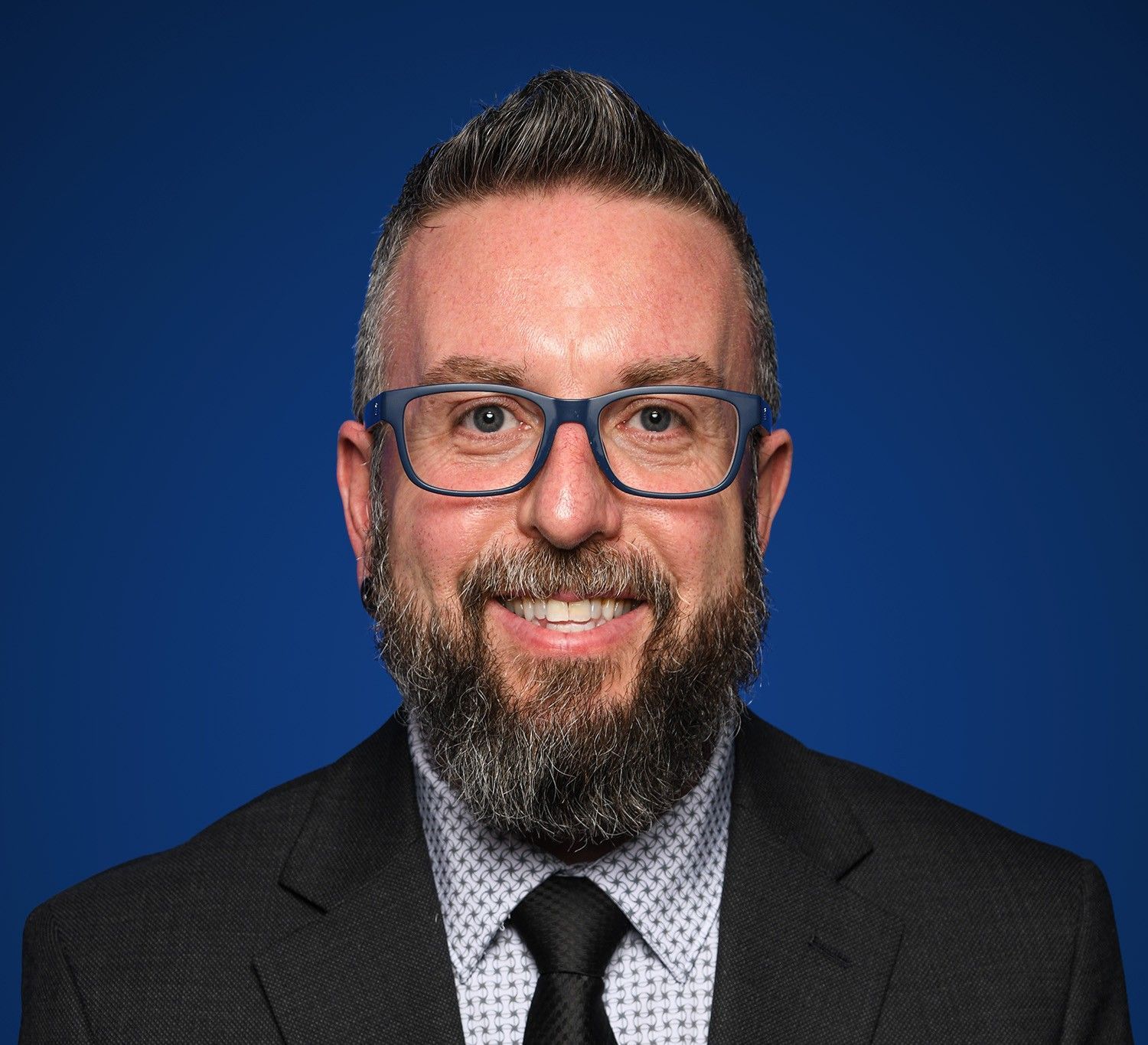
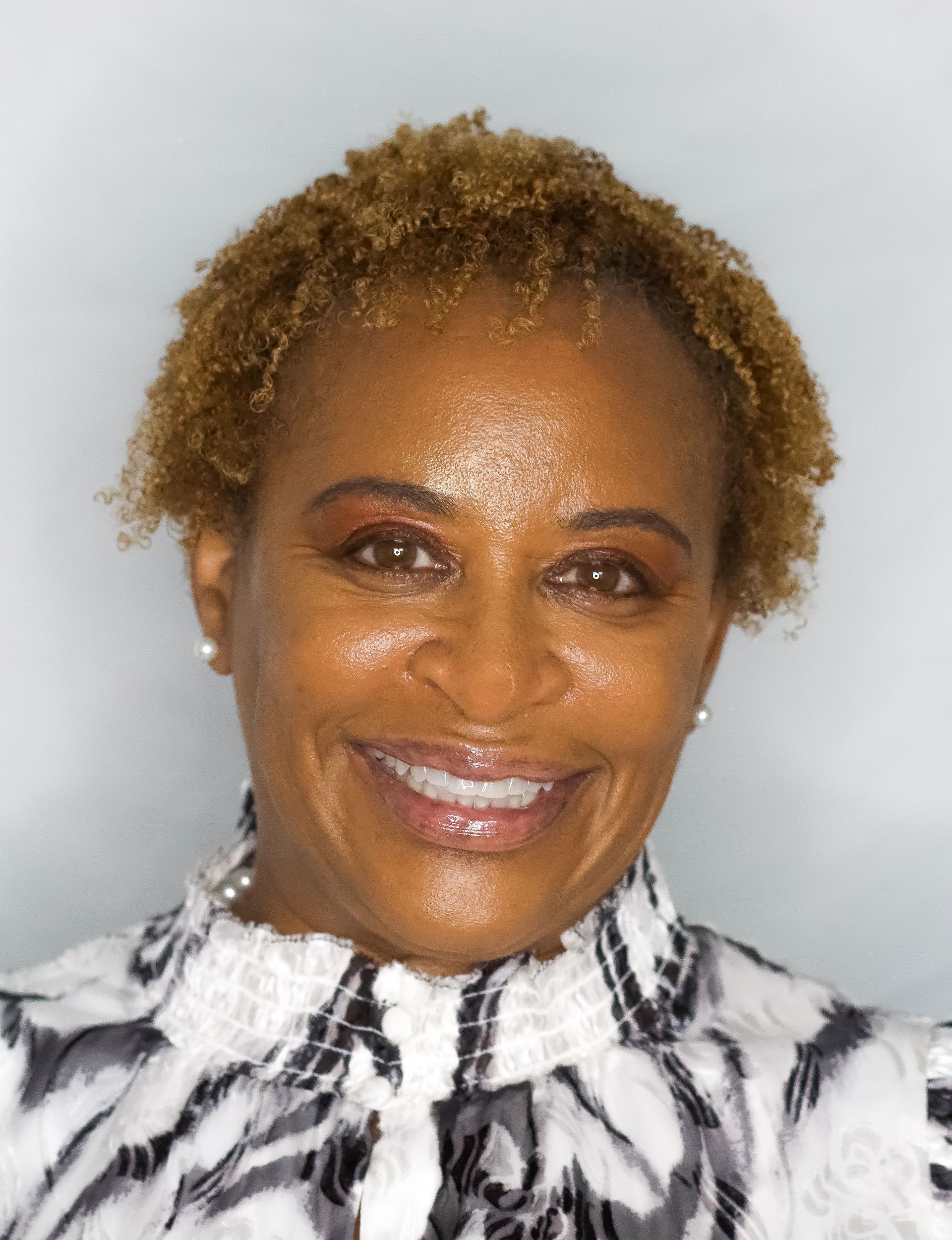
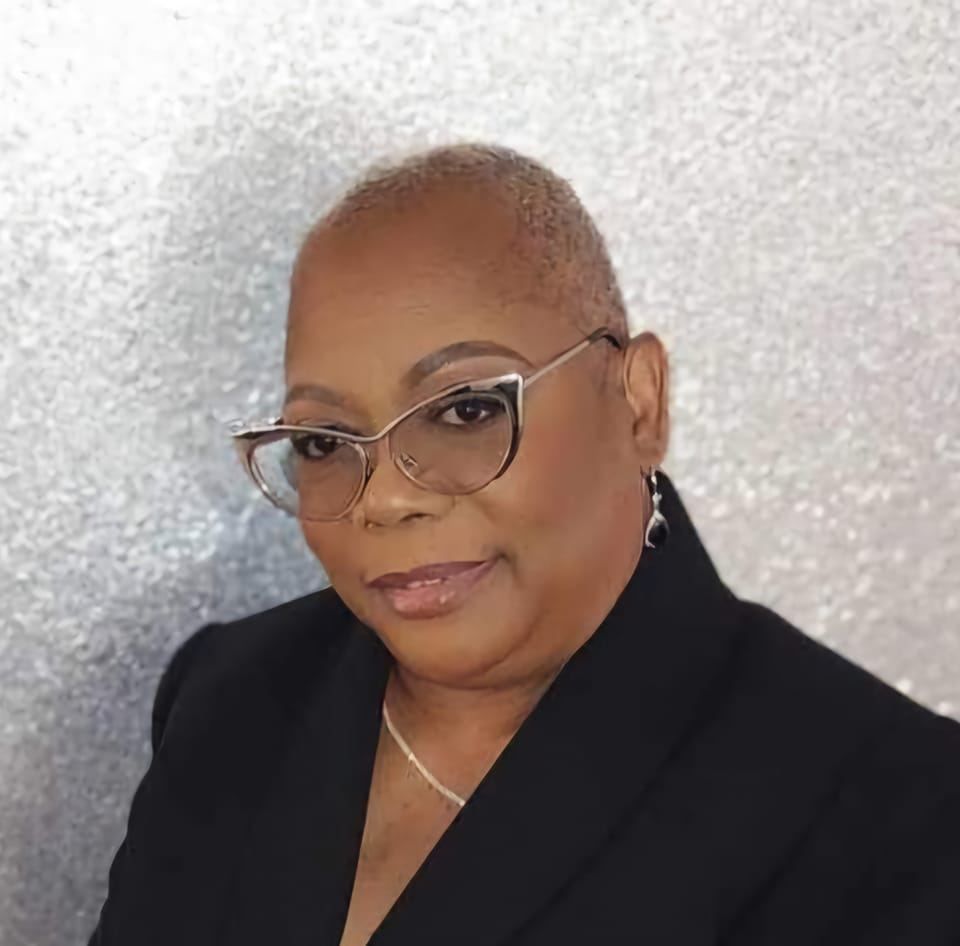
Event Speakers




FAQs
What is the first step to becoming certified?
Check the date on your LPC license to ensure you meet the required 3 year minimum. If your LPC license issue date is at least three years to the date you plan to apply for your CPCS, then the next step would be to take the supervision training.
The LAPC license does not count towards the 3 years.
Check out Unrecognized CE Providers
https://www.ccalp.org/unrecognized-ce-providers-for-cpcs
What are the CE requirements for the CPCS Certification Program?
Supervisor training must be 30 hours AND all from the same trainer. The supervision training has very specific CE workshop requirements. (Keep in mind these hours will also count toward your 35 required hours for your LPC licensure hours.)
30 Hour Requirement = 6 CE hours in each of the following categories:
Applications & Principles of Supervision
Documentation, Methods & Models
Foundations
Legal & Ethical
TeleSupervision
This training summit, if completed in full, will provide you the 30-hour CE requirements for initial CPCS certification.
What are the event details?
The training summit will be held at the following dates/times, via virtual zoom workshops.
Friday, September 11th; 8 AM - 8:15 PM
Saturday, September 12th; 8 AM - 8:15 PM
Sunday, September 13th; 8 AM - 5 PM
Can I complete the required clinical supervision training hours through multiple providers, as long as they are approved by the LPCA of Georgia?
No. For new CPCS (Certified Professional Counselor Supervisor) applications, all 30 required training hours must be completed with a single approved provider, as specified by the LPCA of Georgia.
Do the fees for this training summit include the CPCS application fee?
No. The fees for this training summit only covers the CE requirements for the CPCS certification, but it does not include the costs for your CPCS application.
What if I have other CPCS questions?
Visit the CCALP website for full FAQ information.
https://www.ccalp.org/cpcs-faqs